Once you have decided to become a chicken keeper, you have a lot of choices to make. It will take a certain amount of research before you can get started, if you want to be successful. The decisions range from housing, feeding, choosing breed, caretaking and purchasing. Pets are expensive and with chickens the main expense is not going to be the cost of the birds, or vet bills, but in caring for them and raising happy girls.
First, decide how many chickens you want. It might seem like a good idea to start small, but chickens need their flock. Some lone birds are kept as pets, but this is only feasible if you are wanting a chicken as a house pet. They need near constant companionship. A flock of three birds will have a different dynamic than a flock of six, and raising them is two different experiences. Chickens have likes and dislikes for each other. A larger flock allows more birds to make at least one friend. In a flock of three, one is the odd one out.
There are even options for the age of the chickens that you get. You can avoid the expense and labor of raising your own birds by buying pullets (a few weeks old) or by rescuing factory hens. But, these are not raised to be pets and won’t be as attached to you as the chick you raise by hand. Be sure to only buy sexed female chicks or pullets. It might seem like it would be fun and educational to buy an incubator and eggs, but gender is not guaranteed. Most suburban areas have a law against owning a rooster, and even if you are in the country a rooster may not have a personality suited to being a pet. For many of us, killing an animal that was intended to be a pet, just because it is the wrong gender, would be heart-wrenching. You might be able to give away or sell any cockerels you hatch, if you are okay with knowing that they will most likely be someone’s dinner. I recommend watching a video on YouTube if you want to share the incubation and hatching process with your kids.
Based on the number of chickens you will get, you will want to select a coop. If you are handy, you may be able to build a coop and run for your girls. This is the best option, but coops need to be draft free, and still have ventilation so the birds have clean air to breathe. You may want to buy a set of plans the first time you construct a coop. Always build a bigger coop than you think you will need. If you are buying a coop, buy one that says it can house more chickens than you will ever have. These specifications range from tiny bantams to normal hens, and rarely are large enough.
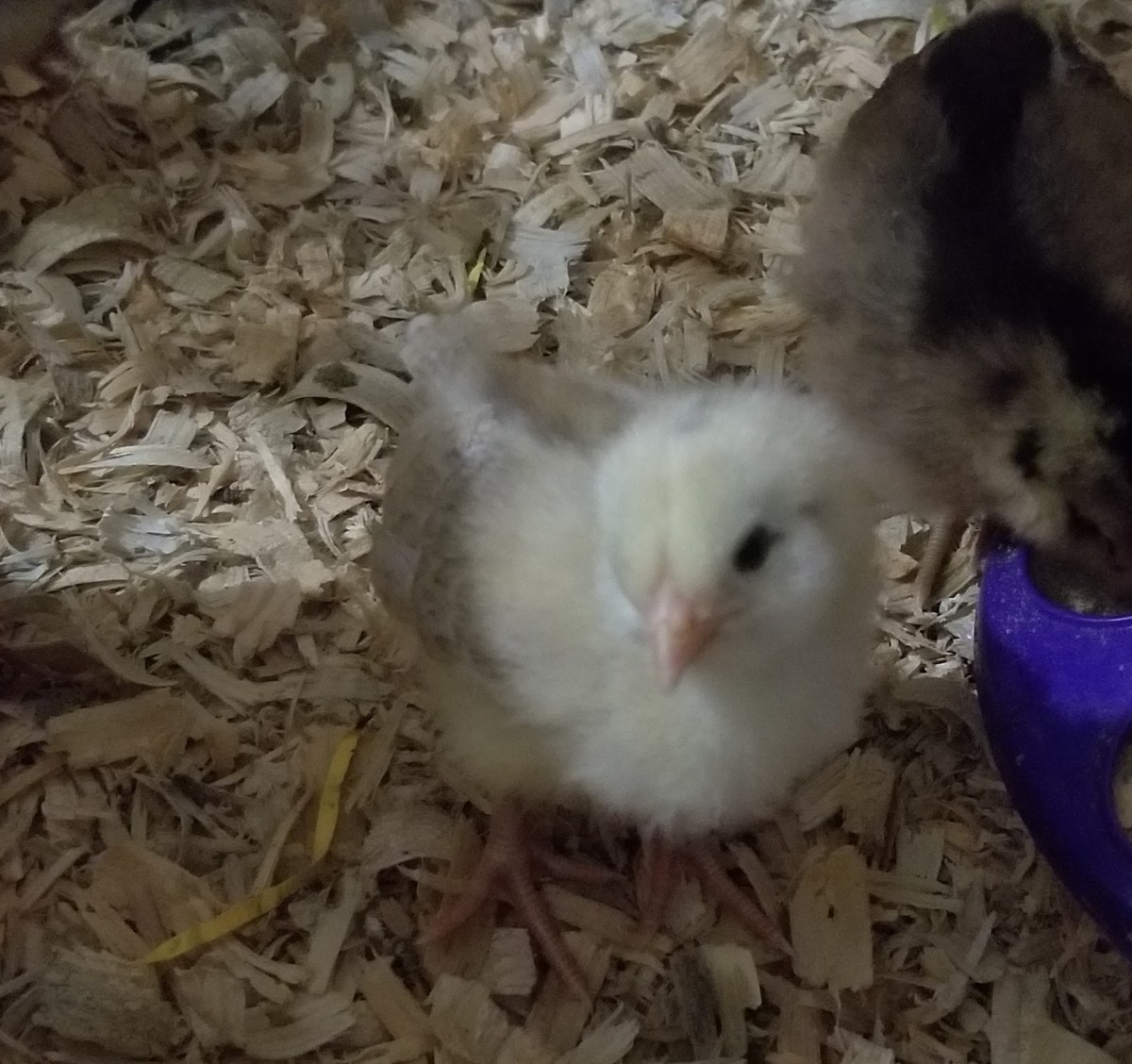
You don’t need to have a coop set up before you buy chicks, but you do need to have a brooder. Your local feedstore could set you up with a metal tub or cardboard box and a heat lamp and bulb, but I do not recommend this option. Heat lamps are dangerous for chicks and homeowners, as they cause fires and heat unevenly. Instead, get a dog playpen made from fabric and a brooder heater. These pens are octogonal and flexible and chicks won’t be crushed to death in the corners like can happen in a box. They can go under the heater to sleep, and come out to play and never be too hot or too cold. I know that some people will use a light bulb or a reptile rock, and that they have high death rates for their chicks. Please don’t be tempted. Your chicks will live in their brooder for weeks, and grow exponentially from the tiny one or two day olds that you bring home, so I recommend to have two sizes for the brooder and switch when they outgrow the first one. When you can take them outside will depend on the weather and protections you have for them.
Chick feeders and waterers are cheap, but you could use anything almost as a feeder. Waterers have to be drown proof for the very small chicks. If you are getting unvaccinated chicks, I recommend medicated chick crumbles. For vaccinated chicks, get unmedicated chick crumbles. This is all the food you will need for the first two weeks, unless you have a sick chick. I recommend fine pine shavings for the bedding. Don’t use newspaper because chicks can slip, fall, and become crippled.
Your next decision is one of the biggest: what breed(s) to buy. Most feed stores carry a selection of layers, dual purpose, and meat birds. They have been bred to fulfill their purpose with maximum efficiency, not for being pets. Layers only have a usefulness of a couple years to egg farmers, so they are prone to tumors and generally shorter lifespans. Meat birds only have to live a few weeks so they are not bred for a long lifespan, either. Your best bet at a feed store then is to look for breeds which don’t lay as many eggs or as large as the factory layers, such as the colored egg-layers. However, your options aren’t that limited. Heritage breeds and other designer breeds can be purchased from specialty sites and hatcheries. Do some research to see which are the friendliest, longest lived, prettiest, and healthiest that are available in your area.
Another reason that I don’t recommend just impulse buying chicks from the feed store is that the chicks have been exposed to whatever chicken farmers might track into the store. There are a number of chicken diseases best avoided. These chicks have already been stressed out from shipping and then displaying and then you have to take them home and put them someplace new. If you get your chicks from a hatchery, either by picking them up or having them directly mailed to your post office, you can avoid some of these steps and you get to bond with your chicks sooner.
All of these decisions may seem overwhelming, but take them one at a time and they are simple. Enjoy researching about chicken breeds so that you can get pets you are really looking forward to raising. Keep in mind that these are members of the family. When raised as pets with love and care, your girls will show you their individuality and win your heart.
 charmachicken.com