If you have researched laying hens, you may have come across advice that recommends routine for them, every day like the next. Moving them around causes stress and interferes with egg laying. They need a stable environment where they feel safe, in order to be happy, productive hens. So, why do my chickens like to go on adventures?
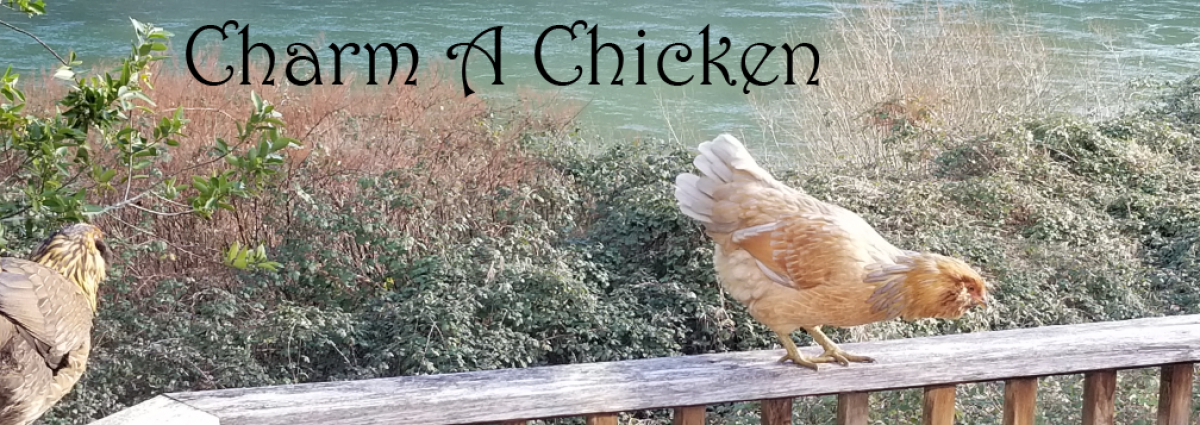
My mother has a large log cabin on a river where the family will take meet up for vacations, usually involving fishing. So, naturally, I bring my pets along for a week or so, and my pets are hens. I have a coop and run there that are not as big or nice as what we have at home, but they suffice. And, the location more than makes up for the smaller housing. The first day or two there may be fewer eggs, but they pick back up after that.
This is out in the country with small wild animals and predatory birds, sometimes deer and even a bear. It’s a little scary for me to free range the girls there, but I check up on them frequently and lock them up when we leave the property. My chickens are easily frightened, frequently by mice going after food they dropped. Their dishes get put away at night so as not to attract any unwelcome creatures. Luckily most of the large birds are Osprey and American Eagles that prefer fish, and turkey vultures that eat carrion and get fed by a neighbor. Opossums and raccoons don’t seem to make appearances during the day. The only canines around are the neighbors’ dogs, no foxes or other threats.
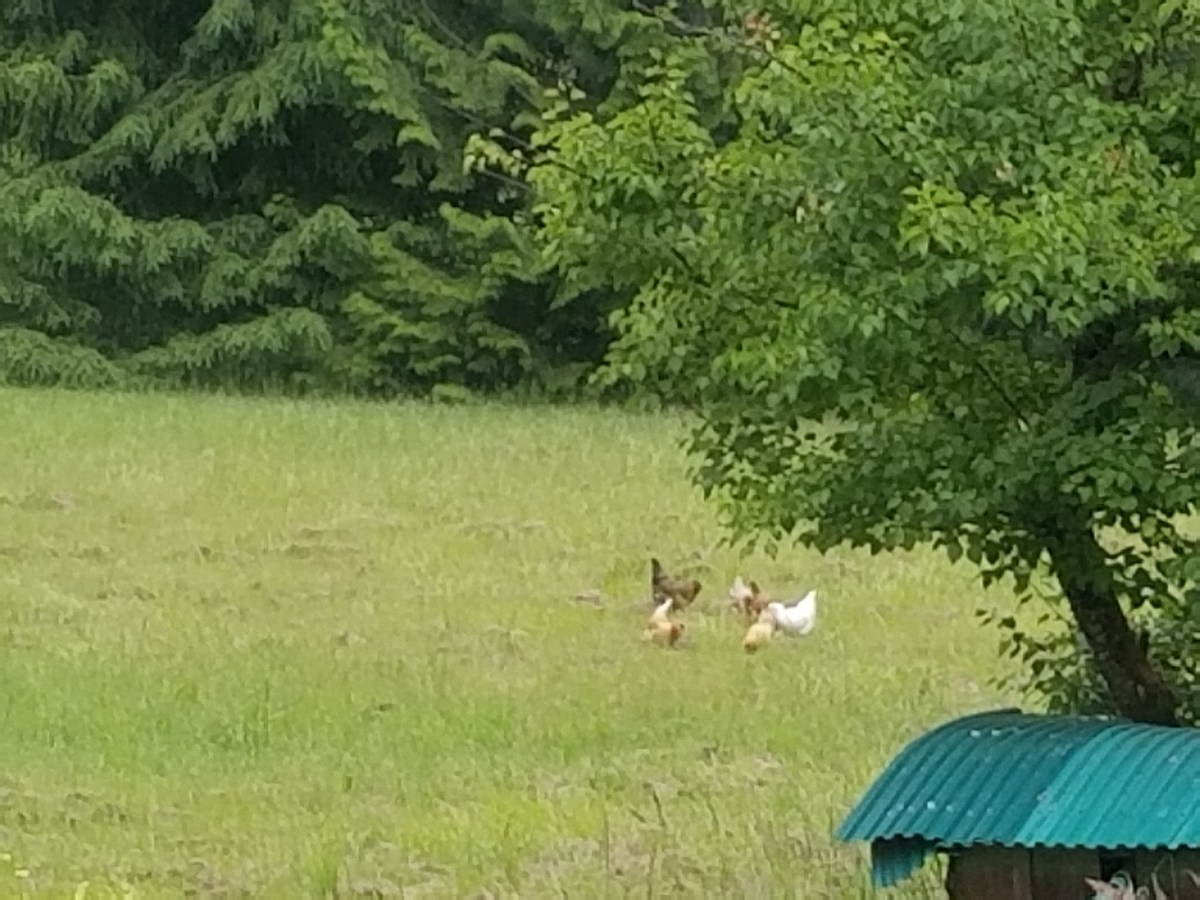
The property is seven acres of pasture, an orchard and an old Christmas tree plot that is overgrown. There are ducks on the river, woodpeckers in enormous and some very tall trees, and a lot of open space. It’s nothing like home. It even smells different. And yet, just being there in the great outdoors in a new place isn’t adventure enough for them. They have to create their own.
The first time they left the yard was to explore all the way around the building pad where the house is. I was a bit concerned when I noticed they had wandered off. They were very quiet so it took me a while to find them even though they weren’t far. This adventure was the start of many.
There are rules when adventuring. The first rule is that adventures are for the afternoon. The second rule is that everyone goes and everyone stays in a tight pack. If anyone doesn’t go, nobody goes adventuring. There are no more rules. The adventures take them into new places, like the vineyard with its delicious grapes and lots of bugs to eat. The pasture has the yummiest grass. The deck has the coziest places for naps, even though they have to go up the stairs to get there. The walnut tree has.. walnuts. (And a squirrel.) The forest has lots of downed trees and branches to jump on and play, and places to hide. The main orchard is too far away, but the plum tree near the house is home base for adventuring.
If I join them on the adventure, they will usually spread out a little more, knowing I am there to watch after them. But, they don’t always follow me home if I leave. Sometimes an adventure is just too much fun to abandon, especially if I am not promising treats if they come home.
I can’t recommend to everyone to let their chickens go on adventures because safe places like this one are hard to come by. If you accompany them it is much safer, but some predators are very fast and you could lose a pet even if you are vigilant. At home the girls don’t leave their yard, and it is much smaller than the area near my mother’s house (where they voluntarily stayed when they were younger).
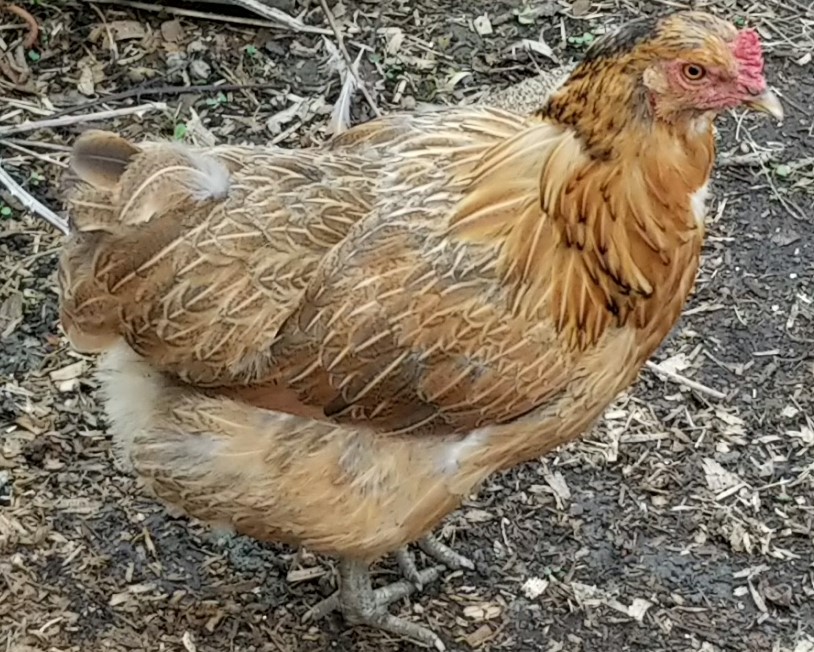
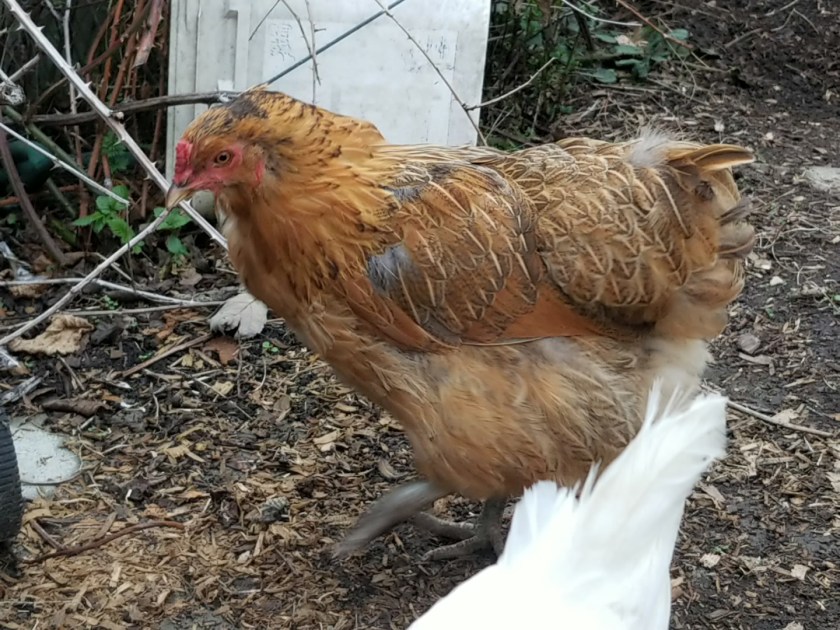
For my six little hens that are afraid of the dark, a little adventure leads to larger adventures. It seems like it causes more stress and also more togetherness. There are times when they act like they don’t like each other, but they get over their differences when they are on vacation. It’s really as if they are children, siblings that argue and fight one moment and then conspire together to be a little naughty in the next. It looks like fun.
 charmachicken.com